January 19, 2026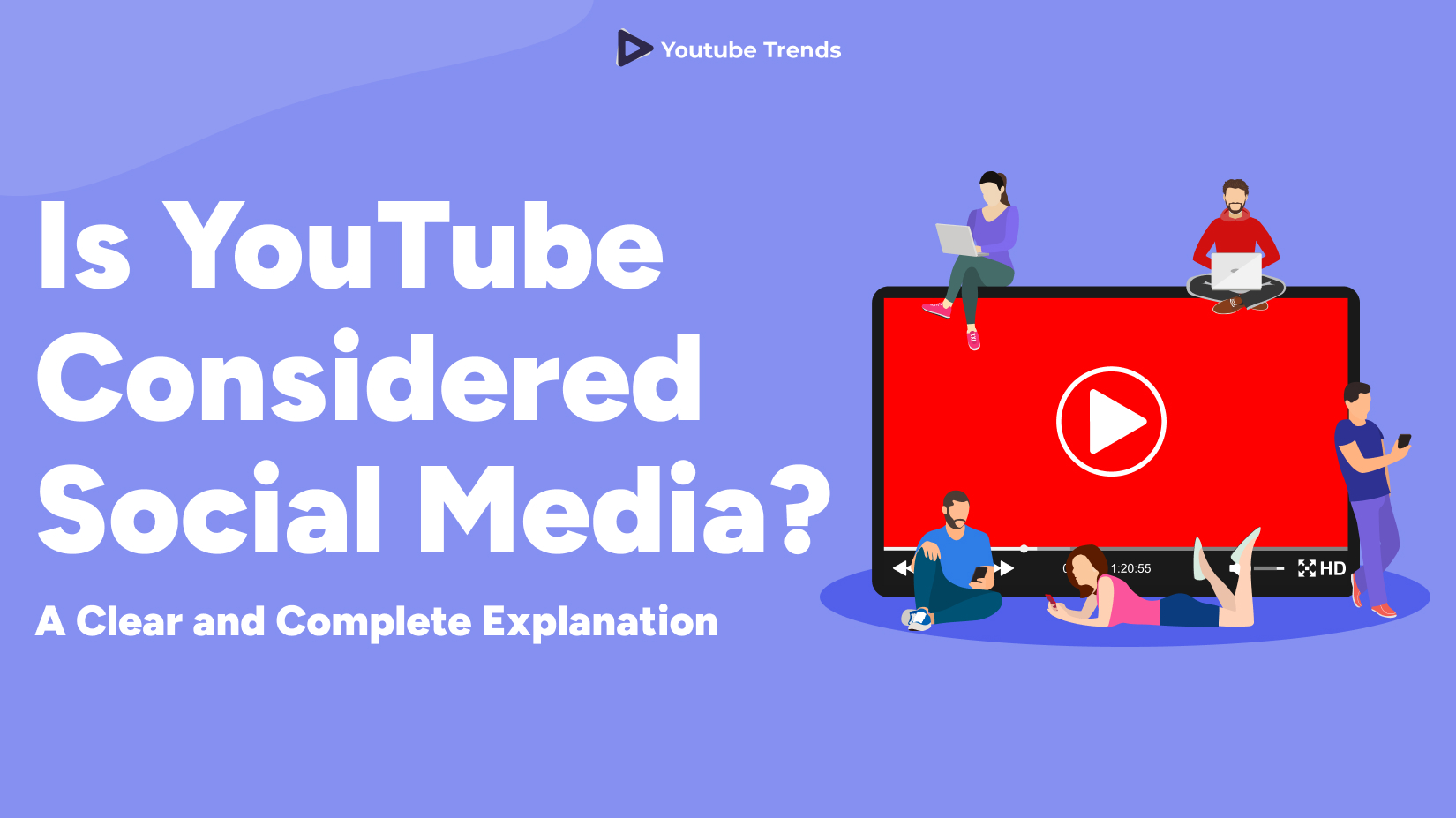
YouTube has been part of daily internet life for so long that most people do not stop to question what it actually is anymore. You open it to learn something, to relax, to follow creators you trust, or just to see what is trending right now. It quietly shapes online culture without trying to explain itself.
Still, the same question keeps coming up. Is YouTube considered social media, or is it simply a video-sharing platform?
It sounds like a small debate, but it is not. How you see YouTube affects how you think about content growth, audience behavior, and YouTube trending patterns. Instead of getting stuck on definitions, it makes more sense to look at how YouTube actually works when real people use it.
1. What Social Media Really Means Today
Most people do not define social media using rules or textbooks. They recognize it by behavior. A platform starts to feel social when users are not just watching or reading, but reacting, responding, and influencing what comes next.
In real life, social media platforms usually share a few common traits. Most content is created by users. Reactions like likes, comments, and shares are built into the experience. Conversations continue long after something is posted. Communities form around people, not just topics. Algorithms decide what spreads and what disappears quietly.
That is why no one seriously debates platforms like Facebook or Instagram. The social behavior is obvious.
The confusion around YouTube comes from how it looks on the surface. It has a search. It has long videos. It feels slower than many platforms. But when you stop focusing on format and start focusing on behavior, the question “Is YouTube considered social media?” becomes easier to answer.
People interact constantly. They influence what gets seen next. They shape YouTube trending content every day. Those are social signals, even if the platform looks different.
2. Why YouTube Clearly Fits the Social Media Category
Yes, YouTube is social media. It does not work in exactly the same way as every other platform, but the difference is about structure, not purpose.
The simplest way to describe YouTube is as a hybrid platform. It combines social interaction with search, long-form video, short-form video, and algorithm-driven recommendations. That mix makes YouTube feel different, but it does not remove the social side.
YouTube exists entirely because of user-created content. Tutorials, reactions, reviews, podcasts, Shorts, livestreams, and experiments all come from people. The platform itself does not produce what people watch. If creators stopped uploading, YouTube would stop moving.
Interaction is built into everything. Likes and dislikes affect reach. Comment sections turn into discussions, arguments, and shared jokes. Creators pin comments, reply directly, or shape future videos based on what viewers say. Live chats influence streams in real time. Community posts allow creators to talk to their audience without uploading a video.
Subscriptions also matter more than people admit. People do not subscribe casually. They subscribe because they connect with how a creator thinks, explains, or shows up consistently. Over time, familiar names appear again and again in comments. Creators recognize regular viewers. That is community, even if it grows slower than on some platforms.
Discovery on YouTube is driven by social signals. Watch time, comments, likes, shares, and viewing behavior influence what gets recommended next. Even when someone arrives through search, engagement determines how far a video goes and whether it becomes part of YouTube trending conversations.
3. Why Some People Still Ask “Is YouTube Considered Social Media?”
The hesitation usually comes from two main reasons.
First, YouTube is heavily search-based. Many people open it with a question in mind. They want to learn something, fix something, or understand something. That search-first habit makes YouTube feel closer to a tool than a social app.
But search is only the entry point. What happens after people arrive is social. They comment, like, share, subscribe, and fall into recommendations. YouTube trending content is driven by what people do next, not by how they arrived.
Second, long-form video changes how interaction feels. Older YouTube content felt more like television. You watched a video and moved on. That perception stayed longer than it should have.
It does not match how the platform works now. Comment sections are active. Live chats move faster than many feeds. Shorts introduced fast trend cycles. Community posts turned YouTube into a place where creators and audiences interact even without video.
Another reason YouTube feels different is the pace. It is slower. Trends last longer. Videos resurface months or even years later. Conversations stretch out instead of disappearing overnight. That slower rhythm makes people underestimate how social the platform actually is.
Different pace does not mean a different category. It just means YouTube allows interaction to build over time.
4. Why This Question Matters for YouTube Trending
For anyone watching YouTube trending patterns, understanding whether YouTube is considered social media is not optional. Trends do not appear randomly. They are created by people reacting.
A video trends because people watch it longer than expected. They comment on it. They share it. Other creators copy the format. Shorts spin off from it. Collaborations amplify it. Audiences start referencing it elsewhere.
That chain reaction only exists on social platforms.
People searching “Is YouTube considered social media?” are usually trying to understand why some videos explode while others disappear. The answer is almost always engagement. Likes, comments, shares, and watch time push content forward. That is how YouTube trending actually works.
Platforms like yttrendz.com exist because YouTube behaves like a living social system, not a static video library. Treat YouTube as only a video-hosting site and trends look random. Treat it as social media and patterns start to appear.
YouTube is also more than social media, and that is exactly why it lasts. It blends social interaction with search, education, entertainment, and long-term discovery. Being more than one thing does not cancel out the social part. It strengthens it.
Final Answer
Yes, YouTube is considered social media. It has user-created content, constant interaction, communities, and engagement-driven algorithms. It simply delivers these elements in a slower, more layered way.
If you see YouTube only as a video-sharing platform, growth and YouTube trending behavior will never fully make sense. When you understand it as social media, audience behavior becomes clearer. Anyone who spends real time on YouTube already knows this, even if they have never tried to label it.